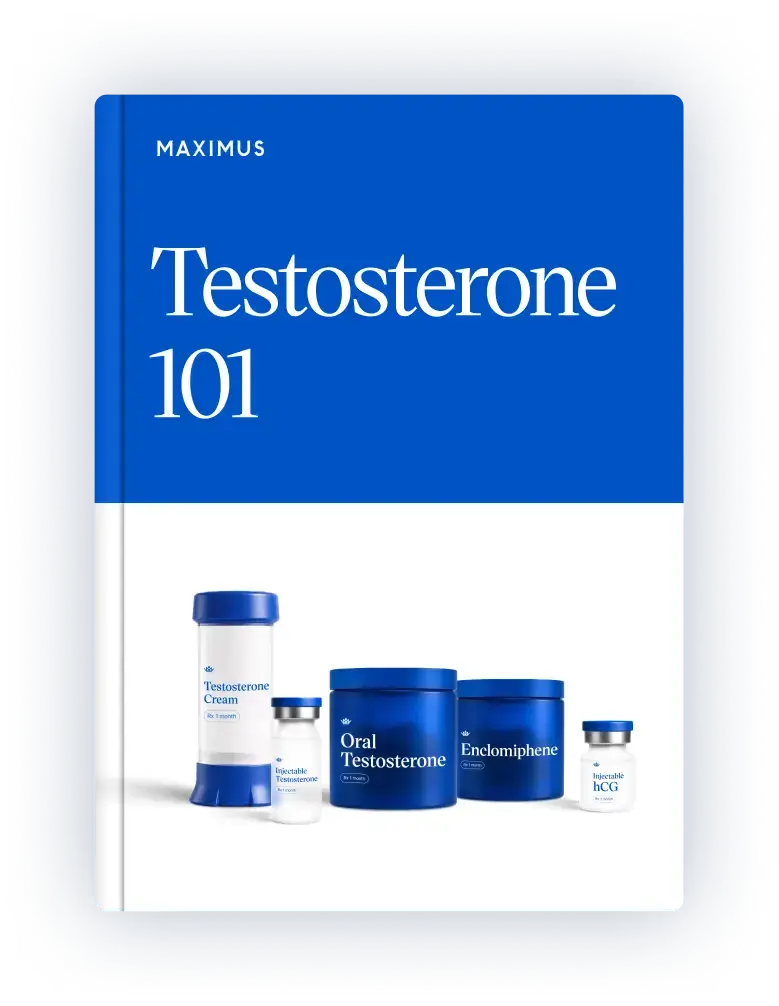
Maximus Testosterone is an online, physician-guided testosterone treatment program that provides personalized support for testosterone treatment and hormone health. It combines at-home lab testing, physician evaluation, prescription treatment options, and ongoing monitoring. Available options include injectable testosterone, testosterone cream, oral testosterone, and enclomiphene, with treatment designed around individual health needs and goals.

Several features distinguish the program from a conventional testosterone clinic experience:
● Online Evaluation
The treatment process is designed around telehealth, allowing eligible patients to complete the initial assessment without routinely visiting a physical clinic.
● At-Home Testing
Laboratory testing can be completed at home, providing information needed for medical evaluation and ongoing monitoring.
● Physician Oversight
A licensed physician reviews the patient's information and laboratory results before treatment is prescribed. Follow-up monitoring can be used to assess progress and make adjustments when appropriate.
● Multiple Treatment Options
Rather than offering only one form of testosterone therapy, the program provides injectable testosterone, testosterone cream, oral testosterone, and enclomiphene options.
● Fertility-Conscious Protocols
For men concerned about fertility, enclomiphene and certain combination protocols provide alternatives to conventional testosterone replacement.
Maximus Testosterone is a telehealth-based approach to testosterone treatment for eligible men. Instead of requiring routine in-person clinic visits, the process can be completed online, including health assessment, laboratory testing, physician evaluation, prescription treatment when appropriate, and ongoing medical support.
The available protocols are designed around different goals and preferences. Traditional testosterone replacement options include injectable, topical, and oral testosterone. Enclomiphene takes a different approach by stimulating the body's own testosterone production.
The appropriate option depends on factors such as testosterone levels, symptoms, overall health, treatment goals, and whether maintaining fertility is important.
Testosterone is an important hormone involved in sexual function, muscle and bone health, energy, mood, and other physiological processes. Testosterone levels naturally vary between individuals and can change with age, health, sleep, body composition, and other factors.
When testosterone is genuinely low or suboptimal, some men may experience symptoms such as:
● Persistent tiredness or reduced energy
● Lower sexual desire or sexual performance
● Difficulty maintaining motivation
● Changes in mood
● Difficulty concentrating or mental fog
● Reduced exercise recovery
● Changes in body composition
● Reduced strength or muscle development
Having one or more of these symptoms does not automatically mean testosterone is the cause. Proper laboratory testing and medical evaluation are important before starting prescription hormone treatment.
The program begins with an evaluation designed to determine whether testosterone treatment may be appropriate. Health information and laboratory results are reviewed by a physician, who can recommend an appropriate protocol when the patient qualifies.
The available approaches work differently.
Injectable testosterone supplies testosterone directly and is generally administered once or twice weekly depending on the prescribed protocol.
Testosterone cream delivers testosterone through the skin and is typically applied daily. It can be an option for men who prefer a topical treatment rather than injections.
Oral testosterone provides testosterone in capsule form and can be attractive to men who prefer a daily oral routine.
Enclomiphene works differently from conventional testosterone replacement. Rather than simply supplying external testosterone, it stimulates the body's natural testosterone-producing pathway and can help maintain fertility-related markers.
Some combination protocols pair testosterone with enclomiphene when clinically appropriate.
The potential benefits depend on the underlying cause of symptoms, baseline testosterone levels, treatment selected, and individual response.
Men who respond positively to appropriate testosterone treatment may experience improvements in areas such as energy, libido, mood, focus, exercise performance, and body composition.
The program's treatment options are also designed around convenience. Daily creams or oral medications may appeal to men who prefer not to inject themselves, while injectable testosterone may be preferred by men looking for a traditional TRT approach.
However, testosterone treatment should not be viewed as a general-purpose energy or performance enhancer. The greatest potential benefit is for appropriately evaluated men with a legitimate medical reason for treatment.
Maximus Testosterone is intended for adult men who are experiencing symptoms potentially associated with low or suboptimal testosterone and who may be medically appropriate candidates for treatment.
It may be particularly relevant to men who:
● Want a telehealth-based treatment experience
● Prefer at-home laboratory testing
● Are experiencing symptoms associated with low testosterone
● Want physician-guided treatment
● Prefer oral, topical, or injectable options
● Are concerned about preserving fertility and want to discuss fertility-conscious protocols
Not everyone with fatigue, low libido, or reduced performance needs testosterone therapy. Other medical conditions, medications, lifestyle factors, sleep problems, and psychological factors can contribute to similar symptoms.
Traditional testosterone replacement generally provides testosterone directly to the body. Injectable testosterone is a long-established approach, while topical and oral formulations provide alternatives for patients with different preferences.
Lifestyle measures can also play an important role. Adequate sleep, resistance training, maintaining a healthy body composition, balanced nutrition, stress management, and addressing underlying medical problems may support healthy hormone function.
For some men, however, lifestyle improvements alone may not adequately address clinically significant testosterone deficiency.
Enclomiphene represents another approach because it stimulates endogenous testosterone production rather than simply replacing testosterone externally. This distinction can be particularly important when fertility is a priority.
The right treatment is therefore not necessarily the most aggressive treatment. It is the treatment that matches the patient's medical situation, goals, risks, and preferences.
Yes. Testosterone and related hormone treatments are prescription therapies and require medical evaluation and physician oversight.
The Maximus model is designed as a telehealth experience, including online evaluation, at-home laboratory testing, physician review, prescription treatment when appropriate, and ongoing support.
Individual timelines vary. Some people may notice changes in energy, mood, or focus within several weeks, while improvements in libido and broader performance may take longer. Consistent follow-up is important.
Safety depends on the medication, dosage, medical history, and monitoring. Testosterone therapy should be used under appropriate medical supervision, with follow-up testing and discussion of potential risks.
It can. Traditional testosterone replacement may suppress natural testosterone production and affect fertility. Fertility-conscious protocols such as enclomiphene-based treatment may be considered for appropriate patients.
Availability can depend on the specific treatment and state regulations. Patients should verify current availability during the evaluation process.
Explore personalized testosterone treatment options with online physician support.
Disclaimer: The information on this website is provided for general informational purposes only and should not be considered medical or professional advice. Testosterone and other prescription treatments should only be used under the guidance of a qualified healthcare professional. Individual results may vary based on medical history, hormone levels, lifestyle, treatment plan, and individual response. Consult a qualified healthcare professional regarding your health and whether prescription testosterone treatment may be appropriate for you.
This website contains affiliate links, and we may earn a commission if you make a purchase through our links, at no additional cost to you.